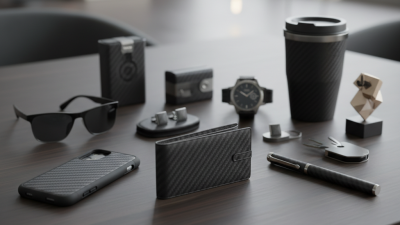
Choosing a Carbon Fiber Gift in 2026 isn’t just about picking something with a sleek, shiny surface. Today’s buyers worldwide are looking at much more—quality of the material, how practical it is, options for personalization, packaging, and whether it’s sourced responsibly. Sure, a shiny wallet might catch someone's eye, but the real value often comes down to details like the finish on the edges and whether the fibers are authentic.
Dr. Nikhil Gupta, a well-known expert in Composite Materials at NYU, once said, “Composite performance depends on material selection, design, and manufacturing quality.” And honestly, that’s just as true for gifts. Carbon fiber should feel meaningful, not just decorative. Whether it’s a handy key organizer, a sleek travel case, a stylish watch accessory, or a desk item, it should be lightweight yet have that cool, technical vibe. Plus, it needs to stand up to everyday use without falling apart.
In this guide, I’m sharing some ideas for Carbon Fiber Gifts in 2026 aimed at corporate clients, distributors, and everyday shoppers around the world. We’ll look at the feel of the material, the clarity of the resin, how strong the hardware is, options for personal touches, and how the gift is presented. Sometimes, a product might look super impressive in photos but ends up feeling pretty ordinary when you hold it. That really does matter.
For serious buyers, it’s a must to ask for clear specs, samples, and honest info about the actual carbon fiber used. Does the product feature real woven carbon fiber, a laminate, or just a printed imitation? Certification requirements can vary depending on where you’re shipping, what type of product it is, and the intended use. Never assume that a “carbon fiber” label means the same thing across the board.
Keep in mind, the most expensive option isn’t always the best. Sometimes, the simplest item with solid construction, a practical function, and consistent quality wins out. And, yeah, even experienced buyers can make mistakes—things like damaged packaging, color inconsistencies, or overly optimistic delivery promises. This article is here to help buyers worldwide keep an eye on those details so they can make a thoughtful, well-informed choice.
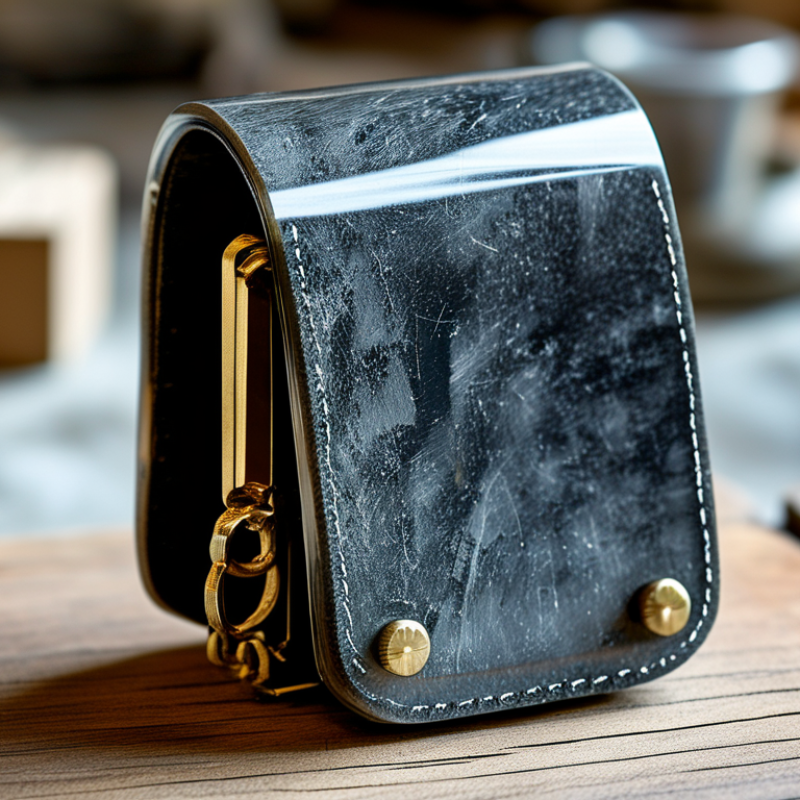
Carbon fiber is more than a glossy surface. Standard carbon fiber materials usually contain over 90% carbon and show a density of about 1.75–1.90 g/cm³. This low density supports lightweight gift designs with a crisp, technical appearance. Suitable ideas include card holders, pen cases, luggage tags, desk trays, and compact travel accessories. However, the finished product may feel heavier because of resin, metal parts, coatings, or internal layers.
Material verification matters for global buyers. Ask for a technical data sheet, carbon content range, density test method, and sample approval before placing a larger order. A woven surface can look authentic, yet appearance alone proves very little. Resin ratio also affects stiffness, weight, and surface finish. The number is not magic. Buyers should compare actual samples under similar lighting and handling conditions. A small quality gap may become obvious after repeated use.
Tips: Check edge finishing, weave alignment, surface scratches, and package protection. Confirm dimensions in millimeters and weight in grams. For international shipments, request clear material descriptions and consistent product documents. Do not assume every carbon fiber gift offers the same performance. That assumption deserves a second look.
Demand is strongest in aerospace, wind energy, automotive components, and premium sporting goods. According to the International Energy Agency’s clean-energy materials research, wind turbines continue to require lighter, stronger structural materials. A small carbon fiber desk stand reflects this trend. It feels rigid, remains easy to lift, and shows a visible woven pattern under clear coating.
Material quality still needs checking. Look for fiber grade, resin type, surface finish, and basic test documentation. A gift supplier offering OEM Carbon Fiber Gift programs should provide sample approval and dimensional tolerances.
“Looks premium” is not enough. Some buyers, including me, have seen glossy parts hide uneven edges and weak bonding. That is an uncomfortable reminder: appearance can mislead.
For global shipments, buyers should also review packaging, moisture protection, declared materials, and destination-market requirements. The 2025 Global Carbon Fiber Market outlook from Research and Markets indicates continued value growth, but forecast figures vary by methodology. Buyers should treat volume projections as directional, not absolute. A practical 2026 gift may be a carbon fiber card case, travel tag, pen sleeve, or compact phone stand with documented construction.
For global buyers, a carbon fiber gift should balance appearance with measurable performance. Fiber grade often determines tensile strength, usually ranging from 3 to 7 GPa. Standard grades near 3–4 GPa suit desk accessories, pen bodies, and lightweight display pieces. Intermediate grades around 5–6 GPa offer better strength for protective cases, cycling accessories, and travel tools. High grades near 6–7 GPa can support demanding designs, but higher strength does not automatically mean better value.
Check the supplier’s test data before ordering. Ask for tensile strength, modulus, resin type, curing method, and batch information. Testing should reference recognized methods, such as ISO or ASTM procedures.
A polished surface may hide weak bonding or uneven layers. Look closely at edges, drill holes, and woven alignment. These details often reveal manufacturing discipline. Small defects matter.
A Custom Carbon Fiber Gift can include engraved panels, card holders, camera accessories, or tailored presentation boxes. In my experience, buyers sometimes focus too heavily on the headline GPa number. That is a mistake. Impact resistance, stiffness, thickness, and finish may matter more for daily use. I still question whether every premium grade improves a simple gift. Sometimes, a reliable 4 GPa material feels more practical than an expensive 7 GPa option. Always match the fiber grade to the object, not the marketing claim.
For global buyers planning 2026 gifts, carbon fiber weave is more than a surface pattern. It reflects preferences for texture, visual weight, and budget. In sourcing projects, I have found that 3K weave suits buyers who prefer fine, orderly details. Its small checker pattern looks refined on card holders, key organizers, and slim desk accessories. It feels precise.
A 6K weave creates a bolder rhythm without becoming visually heavy. It works well for practical gifts, such as travel cases, notebook covers, and compact tool sleeves. Buyers seeking a stronger technical character may choose 12K weave. Its larger pattern stands out on broad surfaces, including trays and presentation boxes. However, scale matters. On a small item, 12K can look crowded.
Reliable purchasing requires more than selecting a weave number. Ask for close-up samples, measured thickness, edge-finishing details, and color consistency under daylight. For an ODM Carbon Fiber Gift project, confirm the mold, logo placement, packaging, and inspection standard before production. A sample may look perfect online, yet feel too sharp in hand. That happened in one review. We changed the edge radius and repeated testing. Buyers should also check material documentation and responsible production records. Small tests prevent expensive assumptions.
2026 Top Carbon Fiber Gift Ideas for Global Buyers
Choosing carbon fiber gifts requires more than chasing a low gram count. MarketsandMarkets estimates the global carbon fiber market will grow strongly through 2029, driven by transportation, sporting goods, and industrial applications. This growth does not make every product reliable. Weight should match use: a slim card case can feel refined, while a frequently handled tool sleeve needs reinforced edges and a tougher surface.
Finish affects daily experience. Gloss reveals the woven pattern but shows fingerprints and small scratches quickly. Matte textures hide marks better. Durability depends on more than tensile strength. Ask for resin quality, edge protection, UV-resistant coating, and documented inspection results. ISO 1268 test methods can support composite manufacturing checks, but they do not replace product-specific testing. A beautiful panel may still chip after one careless drop.
Budget should include packaging, shipping, import charges, and replacement risk. The International Energy Agency’s material-efficiency research repeatedly links longer product life with lower environmental pressure, making repairability worth checking. Compare thickness, dimensions, hardware, and warranty terms—not just the listed price. Weight alone misleads. A lighter gift can feel fragile, while a slightly heavier design may survive years of pocket friction. Global buyers should request photographs under natural light and a small sample before ordering. Perfect gloss is not always the smarter choice.
2026 Top Carbon Fiber Gift Ideas for Global Buyers
Carbon fiber gifts look premium, but compliance begins before production. REACH under Regulation (EC) No. 1907/2006 can affect resin systems, coatings, dyes, and adhesives. Request a current material declaration and check substances of very high concern through ECHA resources. The European RoHS framework restricts ten substance groups in covered electrical and electronic equipment. It does not automatically cover every carbon fiber gift. That distinction is easy to miss.
Classification also needs care. The WCO Harmonized System 2022 contains 1,228 headings and 5,612 subheadings. A carbon fiber wallet, bicycle accessory, display item, or electronic gadget may require different HS treatment. Do not copy a supplier’s code blindly. Confirm the product’s function, composition, and destination-country tariff database. A short customs description helps: “carbon fiber composite card holder,” not simply “carbon fiber.”
Shipping documents should match the actual product. Battery-powered gifts may require UN 38.3 test evidence, battery markings, and dangerous-goods declarations. A non-battery item still needs accurate commercial invoices, packing details, country-of-origin information, and proper protective packaging. Industry guidance from IATA and the WCO emphasizes classification and documentation accuracy, yet small exporters often treat them as paperwork. That is risky. One overlooked adhesive or coating can delay a carton. Our checklist is never perfect; regulations and product formulas change. Recheck before every shipment.
| Gift Idea | Typical Construction | Indicative Size / Weight | Recommended Buyer Segment | REACH Considerations | RoHS Considerations | Indicative HS Heading | Shipping and Documentation Requirements |
|---|---|---|---|---|---|---|---|
| Carbon Fiber Keychain | Carbon-fiber laminate or composite insert with metal ring and non-electronic hardware. | 45–70 mm; approximately 8–20 g. | Corporate events, automotive enthusiasts, trade-show giveaways, and retail gift sets. | Generally manageable Check the resin, coating, plating, adhesives, and any SVHC content in supplied articles. Request a REACH declaration from the manufacturer. | Normally not applicable RoHS generally applies only when the item is electrical or electronic equipment. | Often classified under 7326 or 3926 depending on the dominant material and design. Confirm the national tariff line. | Normally non-dangerous goods and suitable for parcel shipping. Protect exposed edges and provide material description, quantity, value, and country of origin. |
| Carbon Fiber Card Holder | Carbon-fiber composite panels with elastic band, metal clip, or polymer lining. | 95 × 65 × 8–12 mm; approximately 25–55 g. | Business gifts, executive programs, financial services, and technology-sector promotions. | Review materials Evaluate resin, lining, adhesives, dyes, and metal finishes. REACH Article 33 communication may be required if an SVHC exceeds the applicable threshold. | Normally not applicable No RoHS obligation is normally triggered unless the holder incorporates an electrical function. | May fall under 4202 for card or personal-use holders, or another heading based on construction. Obtain a binding or broker-confirmed classification where needed. | Keep the item dry and prevent laminate scratching. No lithium-battery declaration is required for a non-electronic version. |
| Carbon Fiber Luggage Tag | Rigid carbon-fiber plate with silicone, leather-look, or polymer strap and identification window. | 75–110 × 40–65 mm; approximately 20–45 g. | Air travelers, conference attendees, incentive programs, and premium travel kits. | Check strap and coating Assess polymerizers, coatings, pigments, adhesives, and any leather or synthetic-leather components. | Normally not applicable Applies only if the tag contains electrical or electronic components. | Frequently reviewed under 4202 or 3926, depending on the complete article and predominant material. Classification is country-specific beyond the six-digit HS level. | Suitable for air and ocean freight as ordinary cargo. Use protective packaging and a commercial invoice with an accurate product description. |
| Carbon Fiber Phone Stand | Foldable or desktop stand made from carbon-fiber composite, aluminum, steel, or engineering polymer parts. | Folded length 90–160 mm; approximately 35–150 g. | Remote workers, mobile professionals, students, and technology gift campaigns. | Material declaration advised Check composite resin, rubber pads, adhesives, and surface coatings for restricted substances. | Normally not applicable A passive stand is not normally EEE; a version with charging, lighting, or electronics would require RoHS assessment. | Often classified under 3926, 7616, or 7326 according to the principal material and functional design. | Non-dangerous when supplied without a battery, charger, or electronic module. Cushion hinges and moving parts to prevent damage during transport. |
| Carbon Fiber Desk Organizer | Composite tray, pen cup, cable holder, or modular desktop accessory with polymer or metal fittings. | 100–250 mm; approximately 80–450 g. | Office welcome kits, executive desks, coworking spaces, and home-office promotions. | Check all components Review resin systems, anti-slip pads, paints, coatings, and bonding agents. Keep supplier compliance records. | Normally not applicable RoHS is relevant only when the organizer includes powered lighting, charging, or another electrical function. | May be classified under 3926, 6815, 7616, or 7326 depending on composition and local customs interpretation. | Use rigid outer cartons and protective separators. State whether the product contains electronics, magnets, batteries, or liquids; a passive organizer normally contains none. |
| Carbon Fiber Coaster Set | Carbon-fiber laminate or composite discs with cork, silicone, felt, or rubber backing. | Diameter 90–105 mm; 15–35 g per coaster. | Hospitality gifts, client appreciation, office sets, and home-lifestyle retail collections. | Food-contact caution Do not market as food-contact equipment unless the complete surface and backing meet the destination market’s food-contact requirements. Check coatings and adhesives. | Normally not applicable No electrical function is present in a standard coaster. | Potential headings include 3924, 3926, 6815, or 7326 depending on the material and construction. | Ordinary cargo when clean and dry. Use moisture-resistant packaging and avoid claims that imply direct food contact unless documented. |
| Carbon Fiber Pen | Carbon-fiber barrel or wrap with refill, metal clip, and plastic or metal writing components. | 135–150 mm; approximately 15–35 g. | Executive gifts, conference kits, education programs, and premium stationery collections. | Check inks and coatings Review ink formulation, lacquer, plating, adhesives, and packaging materials. Ink may require separate chemical or transport documentation depending on formulation. | Normally not applicable A standard writing instrument is not electrical equipment. | Usually considered under 9608 for pens and similar writing instruments, subject to the exact product configuration. | Protect the tip and prevent ink leakage. If the ink formulation is classified as dangerous goods, obtain the applicable SDS and transport classification before shipment. |
| Carbon Fiber Bottle Opener | Metal opener mechanism with carbon-fiber handle, overlay, or decorative insert. | 100–160 mm; approximately 50–120 g. | Hospitality, beverage events, culinary gift sets, and adult-oriented promotional programs. | Check metal finish Review plating, paint, resin, adhesives, and any intentionally added substances. Avoid unsupported food-contact claims. | Normally not applicable No electrical or electronic function in a standard opener. | Often classified under 8205 for hand tools or another heading based on the mechanism and material. | Pack securely to prevent sharp-edge damage. Confirm destination-country rules for sharp tools and age-restricted promotional distribution. |
| Carbon Fiber Wallet | Carbon-fiber composite shell with elastic, textile, polymer, or metal money-clip components. | 85–105 × 50–70 × 6–15 mm; approximately 35–100 g. | Executive incentives, fintech campaigns, travel gifts, and minimalist lifestyle programs. | Review textile and polymer parts Check adhesives, coatings, elastic materials, dyes, and metal finishes. If an SVHC is present above the applicable threshold, provide required information to recipients. | Normally not applicable Electronic wallets with tracking or RFID-related powered functions require separate assessment; passive RFID shielding alone is not generally an electrical product. | May be classified under 4202 or another heading depending on design, external surface, and predominant material. | Ordinary cargo if passive and battery-free. If a tracker, rechargeable cell, or electronic module is included, lithium-battery transport rules may apply. |
| Carbon Fiber USB Charging Stand | Carbon-fiber or composite housing combined with charging electronics, cable, PCB, and possibly a power adapter. | 70–180 mm; approximately 80–350 g excluding adapter. | Technology conferences, employee gifts, premium office kits, and mobile-device accessory programs. | Full product review Assess the housing, cable insulation, PCB materials, solder, coatings, and any SVHC communication obligations. | RoHS normally applies Electrical and electronic equipment generally requires assessment against the applicable RoHS rules in the destination market, including restricted-substance limits and technical documentation. | Often classified under 8504 for chargers or converters, or 8543/other headings depending on the electrical function. Confirm the exact tariff code. | Check voltage, plug type, conformity marking, EMC and electrical-safety requirements. If a lithium battery is included, use the correct UN 38.3 test summary, packaging, labeling, and carrier process. |
| Carbon Fiber Bluetooth Tracker Holder | Carbon-fiber case or holder supplied with a separate electronic tracking device or battery-powered module. | 40–80 mm; approximately 15–60 g excluding device. | Travel campaigns, logistics programs, employee kits, and connected-lifestyle promotions. | Full component review Assess the composite, adhesives, coatings, battery materials, PCB, cable, and packaging. Maintain supplier declarations and technical records. | RoHS normally applies The electronic tracker and associated electrical components generally require RoHS assessment where applicable. | Classification varies widely: 8517, 8526, 8507, or another heading may apply depending on whether the shipment includes the tracker, battery, or only the holder. | Confirm whether the shipment contains a lithium coin cell or rechargeable battery. Apply the relevant air-transport rules, battery marks, documentation, and carrier restrictions. |
For global buyers, a carbon fiber gift should earn its price through measurable quality. Grand View Research reported that the global carbon fiber market was valued at about USD 4.9 billion in 2023. This growth reflects demand for lightweight, rigid materials, not decoration alone. Inspect weave alignment, resin clarity, edge finishing, and hardware fit under bright light. A glossy surface can hide uneven edges. It happens.
Performance depends on the object’s purpose. A desk accessory needs stiffness, scratch resistance, and stable weight. A travel item needs impact tolerance and reliable fittings.
The International Organization for Standardization emphasizes consistent testing for composite material performance, but small gift makers may provide limited test data. Ask for fiber type, surface coating, dimensions, and weight before ordering.
Do not trust technical language without evidence.
Customization can increase emotional value, especially when initials, dates, or geometric patterns are integrated during production. Yet laser marking may weaken thin surfaces if handled poorly. A proper custom gift should show clean alignment and controlled contrast. Cost should include sampling, tooling, packaging, shipping, and possible import charges. The Deloitte Global Powers of Luxury Goods reporting repeatedly links perceived value with craftsmanship and personalization, but premium pricing does not guarantee precision. Compare two samples in hand. Feel the edges. Then question whether the extra cost improves daily use or only appearance.
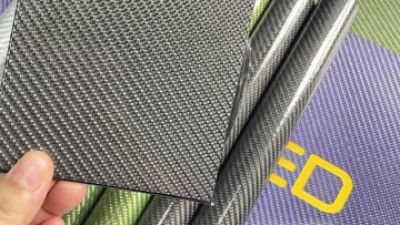
Color 3K Full Carbon Fiber Sheets combine the distinctive appearance of a 3K twill or plain weave with the performance of continuous carbon fibers. Thin carbon strands are woven into a stable fabric and bonded with epoxy resin, creating a panel that is lightweight, stiff, and highly resistant to fatigue. Color finishes add visual variety while preserving the recognizable woven texture, making these sheets suitable for projects that require both refined appearance and dependable mechanical performance. Depending on the construction, they may also offer good resistance to moisture, corrosion, and dimensional change.
These sheets are commonly used for automotive trim, motorcycle components, drone frames, sporting equipment, interior decoration, protective covers, and custom engineering parts. Their high strength-to-weight ratio can help reduce unnecessary mass without sacrificing rigidity. The colored surface can also reduce the need for additional painting, although the finish should be protected from prolonged ultraviolet exposure when used outdoors. Cutting, drilling, and bonding should be performed with suitable tools and protective equipment because carbon-fiber dust may irritate the skin and respiratory system.
When buying a Color 3K Full Carbon Fiber Sheet, check the weave style, sheet thickness, dimensions, surface finish, color consistency, and resin quality. Confirm whether the panel is a true full-carbon construction or a decorative layer over another material. For structural use, review fiber orientation, flatness, tolerance, and available technical data. For visual applications, inspect gloss, texture uniformity, edge quality, and sample color under the intended lighting. The right choice should match the required stiffness, weight, appearance, processing method, and service environment.
: Check material declarations, coatings, dyes, adhesives, and resin systems. European chemical rules may apply. Recheck formulas before each shipment.
No. It mainly concerns covered electrical and electronic equipment. A carbon fiber card holder is usually different. That distinction is easy to miss.
Classify the product by function, composition, and destination country. A wallet, bicycle accessory, and electronic item may use different codes. Do not copy a supplier’s code blindly.
Use a specific description, such as “carbon fiber composite card holder.” Avoid vague wording like “carbon fiber.” Details reduce confusion.
Prepare a commercial invoice, packing details, origin information, and protective packaging. Battery-powered items may need test evidence, markings, and dangerous-goods declarations. Non-battery items still require accuracy.
Inspect weave alignment, resin clarity, edge finishing, and hardware fit. Use bright light. A glossy surface can hide uneven edges.
Request fiber type, coating details, dimensions, weight, and performance evidence. Check stiffness, scratch resistance, and impact tolerance against the item’s purpose. Technical language alone proves little.
Initials, dates, and geometric patterns can increase emotional value. Laser marking needs controlled depth and alignment. Poor marking may weaken thin surfaces.
Include sampling, tooling, packaging, shipping, and possible import charges. Compare two physical samples. Premium pricing does not guarantee precision.
Review it before every shipment. Regulations and formulas can change. Our checklist may still miss something.
Choosing the right Carbon Fiber Gift in 2026 begins with understanding the material’s core advantages: more than 90% carbon content, a lightweight density of approximately 1.75–1.90 g/cm³, and tensile strength ranging from 3 to 7 GPa depending on fiber grade. With global demand approaching 150,000 tonnes, carbon fiber products offer an attractive combination of strength, low weight, durability, and modern appearance.
This guide helps global buyers match 3K, 6K, and 12K weaves with different preferences, from refined visual texture to bold technical styling. A practical selection should balance weight, surface finish, durability, intended use, customization, craftsmanship, and budget. Buyers should also review REACH and RoHS requirements, confirm suitable HS codes, and check packaging and shipping conditions for international delivery. Comparing performance, quality, personalization, and total cost makes it easier to choose a meaningful and reliable gift.