You know, carbon fiber Cloth has really become a go-to choice for reinforcing all kinds of stuff—think aerospace panels, car parts, sports gear, marine structures, and even industrial repairs. It’s pretty clear why—high tensile strength but super lightweight, resistant to corrosion, and offers tons of design flexibility. But here’s the thing: how well the fabric performs isn’t just about the fiber strength alone.
Industry reports back this up too. For example, Grand View Research points out that aerospace, automotive, and wind energy are the main sectors using carbon fiber these days. MarketsandMarkets also sees the market growing steadily, mainly because lightweight transportation and renewable energy gear are booming right now. But it’s worth noting—they talk about the whole material market, not every little detail about individual cloth specs. That kind of stuff really matters, especially if you’re hunting for the perfect fit.
So, in this guide, we’ll walk through the 10 best carbon fiber cloth suppliers around the world, based on both technical specs and what makes sense commercially. We looked at things like fiber grade, weave patterns, weight per area, resin compatibility, width options, quality control, delivery speed, and tech support. Big names like Toray, Hexcel, Teijin, SGL Carbon, Mitsubishi Chemical Group, plus some niche manufacturers—each has their own strengths depending on what you need.
But here’s the thing: not every supplier is the right fit for every project.
If you’re in aerospace, chances are you’ll care a lot about traceability and certifications. If you’re building prototypes, you might want smaller minimum orders and faster turnaround on samples. And if you’re doing repairs, clear handling instructions, stable drape, and compatible epoxy systems are usually what you need—oh, and colored carbon fiber cloth is a nice option for visible designs, but seriously, never let appearance replace proper structural testing.
Keep in mind, supplier info isn’t set in stone; details like product names, capacities, and regional availability can change over time. So, think of this list as a helpful starting point—definitely do your due diligence with independent tests, check datasheets, and chat directly with suppliers before making any big moves. That way, you’ll be on the right track for whatever project you’re tackling.
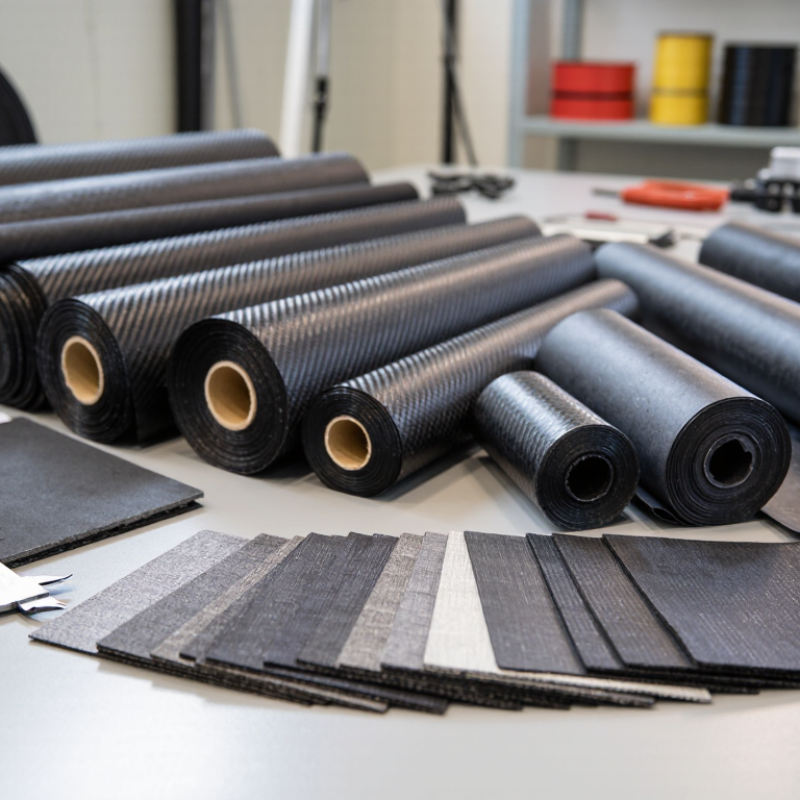
Carbon fiber cloth is a woven material made from thin carbon filaments. The fibers are arranged in patterns, such as plain weave or twill weave. This structure gives the cloth high tensile strength and low weight. It also resists fatigue, heat, and many chemicals. However, carbon fiber is not automatically strong in every direction. Its performance depends on fiber orientation, resin choice, layer design, and curing quality.
Manufacturers use carbon fiber cloth in aircraft panels, racing components, wind turbine parts, sporting equipment, and industrial repairs. Technicians often place several layers over a mold, wet them with epoxy, and cure the laminate under controlled pressure. A poorly mixed resin can leave soft spots. I have seen attractive surfaces hide weak bonding, so appearance alone proves little. Worldwide buyers should check fabric weight, weave style, fiber alignment, roll width, technical data, and batch traceability. Supplier experience matters, but documented testing matters more.
Tips: Ask for a certificate of analysis and sample roll before ordering. Confirm whether the cloth is dry, pre-impregnated, or coated. Store dry fabric in sealed packaging, away from moisture and dust. Also compare delivery conditions and technical support, not only price. One overlooked detail can affect the final laminate.
Carbon fiber cloth is a woven reinforcement fabric made from carbon fiber tows. Its low density, high tensile strength, high stiffness, corrosion resistance, and low thermal expansion make it suitable for lightweight composite structures.
The chart shows representative nominal areal-weight classes commonly specified for carbon fiber fabrics. Lightweight cloth is often selected for cosmetic layers, sporting goods, and small repairs, while heavier cloth is used for structural reinforcement, marine components, automotive parts, wind-energy structures, and aerospace composite laminates. Actual fabric weight varies with tow size, weave pattern, fiber grade, and construction.
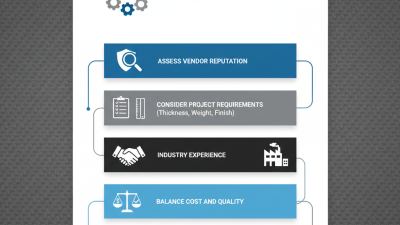
Finding a reliable carbon fiber cloth supplier requires more than comparing online prices. Start by checking technical consistency. Ask for the fiber type, weave pattern, width tolerance, and areal weight. A dependable supplier should provide recent test data and clear batch traceability. Request samples.
Inspect the cloth under bright light. Look for uneven gaps, broken filaments, loose edges, and inconsistent coloration. For OEM Colored Carbon Fiber Cloth, confirm color stability and surface finish after curing. Ask whether the pigment affects resin bonding or mechanical performance. Small details matter.
Evaluate production capacity through specific questions. Can the supplier maintain the same weave across repeated orders? What is the minimum order quantity? How are rolls sealed against moisture and dust? Request realistic lead times, packaging photos, and inspection records. Certificates alone are not enough. Their quality system may look impressive, yet sample handling can reveal weak control.
Communication also deserves careful attention. Technical answers should be precise, not vague promises. Compare how quickly the supplier responds to tolerance questions, shipping changes, and rejected samples. Check export documentation and delivery terms before payment. A low quotation may hide expensive delays, rework, or unsuitable material. I would not judge a supplier from one successful sample alone. Production pressure can expose problems later. Repeating a small trial order is slower, but it provides stronger evidence.
Selecting the top ten carbon fiber cloth suppliers requires more than comparing catalog prices. Experienced buyers inspect fiber grade, weave consistency, and resin compatibility. A reliable supplier should provide technical data sheets, batch records, and clear production tolerances.
Sample testing reveals details that brochures often miss. We check fabric width, surface fuzz, roll tension, and visible weaving defects. A 200-meter roll should unwind smoothly without sudden wrinkles. Small inconsistencies can affect draping and final laminate strength. Custom Colored Carbon Fiber Cloth also requires stable pigment dispersion and color matching across batches.
Production capacity matters, but communication matters more. Suppliers should answer engineering questions with specific data, not vague promises. We assess sample lead times, packaging quality, inspection methods, and responses to nonconforming material. Certifications can support trust, yet they do not replace independent testing. That point is easy to overlook. I have seen attractive samples fail after humidity exposure or repeated bending. Some suppliers also publish impressive strength values without explaining test direction, weave style, or laminate conditions. That weakness deserves attention. Pricing remains relevant, but dependable documentation, repeatable quality, and practical technical support carry greater weight during selection.
The ten strongest carbon fiber cloth suppliers worldwide usually serve different technical needs. An aerospace-focused supplier offers tightly controlled weave patterns, batch records, and strict thickness tolerances. An automotive specialist often provides lightweight fabrics for panels, air ducts, and structural repairs. Industrial suppliers support tooling, robotics, and reinforcement work with wider rolls and stable pricing. Marine specialists prioritize moisture resistance and consistent drape around curved hulls.
A prepreg supplier combines cloth with carefully measured resin systems. A custom-weaving supplier can produce twill, plain, or unidirectional fabrics for unusual designs. A recycled-fiber supplier appeals to manufacturers reducing material waste, although performance data may require closer review. Regional converters cut, slit, and package cloth for faster delivery. Technical coating suppliers add surface treatments for bonding or heat exposure. Stock distributors remain useful for prototypes because they can ship smaller quantities. These profiles are not equal in every project. I have seen low prices create expensive delays.
Tips: Request a recent certificate of analysis, fabric weight, weave style, roll width, and resin compatibility. Ask for a small sample before placing a large order. Check storage conditions, packaging, and delivery history. Supplier websites can look impressive, yet traceability matters more. Compare test data from the same standard, not attractive marketing claims. Keep a written record of every batch. Mistakes happen. A reliable supplier explains them clearly and corrects them.
| Profile | Primary Market Region | Common Weave Options | Typical Areal Weight | Typical Roll Width | Fiber Grade | Surface Treatment | Supply Form | Typical Applications | Indicative Lead Time |
|---|---|---|---|---|---|---|---|---|---|
| Profile 01 | East Asia | Plain, twill, unidirectional | 90–600 g/m² | 1.0–1.5 m | Standard and intermediate modulus | Sizing compatible with epoxy and vinyl ester | Dry fabric rolls and cut panels | Automotive parts, sporting goods, industrial panels | 2–6 weeks |
| Profile 02 | Western Europe | Plain, twill, satin | 100–650 g/m² | 1.0–1.6 m | Standard modulus | Resin-system-specific textile sizing | Rolls, narrow-width tapes, kits | Aerospace interiors, marine structures, tooling | 3–8 weeks |
| Profile 03 | North America | Plain, twill, multiaxial | 150–900 g/m² | 1.0–1.5 m | Standard and high-strength grades | Compatible with epoxy, polyester, and vinyl ester | Dry rolls and pre-cut reinforcement kits | Structural repair, transportation, defense components | 2–7 weeks |
| Profile 04 | East Asia | Twill, satin, unidirectional | 100–450 g/m² | 1.0–1.5 m | Intermediate modulus | Low-crimp textile sizing for cosmetic surfaces | Rolls, sheets, and narrow tapes | Bicycles, wheels, consumer products, electronics | 2–5 weeks |
| Profile 05 | Western Europe | Unidirectional, biaxial, triaxial | 200–1,200 g/m² | 1.0–1.6 m | High-strength and intermediate modulus | Structural resin-compatible sizing | Multiaxial rolls and engineered laminates | Wind-energy components, civil reinforcement, marine parts | 4–10 weeks |
| Profile 06 | South Asia | Plain, twill, unidirectional | 90–600 g/m² | 1.0–1.5 m | Standard modulus | General-purpose epoxy-compatible sizing | Bulk rolls and custom-cut pieces | Prototyping, repair patches, sports equipment | 3–8 weeks |
| Profile 07 | North America | Twill, plain, satin | 90–500 g/m² | 1.0–1.5 m | Standard and intermediate modulus | Cosmetic-grade and structural-grade sizing | Retail rolls, industrial rolls, sample packs | Motorsport, robotics, drones, custom fabrication | 1–5 weeks |
| Profile 08 | East Asia | Plain, twill, satin, hybrid fabrics | 120–800 g/m² | 1.0–1.6 m | Standard, intermediate, and high modulus | Epoxy-compatible and thermoplastic-compatible options | Rolls, prepreg-compatible fabrics, slit tapes | Automotive, aerospace, pressure vessels, industrial equipment | 4–12 weeks |
| Profile 09 | Western Europe | Plain, twill, unidirectional | 100–700 g/m² | 1.0–1.5 m | High-strength and high-modulus grades | Certified resin-system compatibility available | Technical rolls and engineered preforms | Aerospace structures, racing, high-performance engineering | 5–12 weeks |
| Profile 10 | Oceania and Asia-Pacific | Plain, twill, biaxial, unidirectional | 100–900 g/m² | 1.0–1.5 m | Standard and intermediate modulus | Marine-grade and general-purpose sizing | Rolls, repair kits, custom-cut panels | Marine construction, renewable energy, infrastructure repair | 3–9 weeks |
Note: Specifications shown are representative market ranges for carbon fiber cloth supply and should be confirmed against the supplier’s current technical datasheet, certification records, minimum order quantity, and delivery terms.
Choosing among the 10 best carbon fiber cloth suppliers worldwide requires more than comparing prices. Product quality starts with traceable fiber grades, stable tow distribution, and consistent areal weight. Common options include 1K, 3K, 6K, and 12K fabrics, with plain, twill, and unidirectional constructions.
A 2024 MarketsandMarkets report valued the global carbon fiber market at approximately USD 4.7 billion, reflecting stronger demand for lightweight composites. However, market growth does not guarantee dependable cloth quality.
Ask suppliers for tensile data, fabric weight tolerance, width accuracy, resin compatibility, and recent batch certificates. A practical audit should inspect loose edges, uneven coating, and visible tow gaps under strong light.
For custom projects, ODM Colored Carbon Fiber Cloth may require color consistency, UV stability, and clear limits on dye or coating performance.
Some suppliers provide attractive samples but weak technical documentation. That is a warning sign. Technical support should include storage guidance, cutting advice, recommended resin systems, and curing parameters.
A supplier who reviews your laminate schedule can prevent expensive trial-and-error, although even experienced engineers can miss process variables.
Tips:
Request three production samples, not one. Compare weight and drape by hand. Record lot numbers. Ask for a small cured panel before placing a large order. Do not judge quality by gloss alone. It can hide poor impregnation. Industry reports offer useful market context, but your own test data should control the final decision.
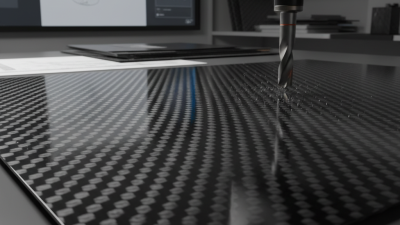
Choosing among the 10 best carbon fiber cloth suppliers starts with your application, not a ranking. A bicycle shell may need a flexible 3K twill weave. CNC carbon fiber parts often need stable thickness, clean cutting, and predictable machining behavior. MarketsandMarkets’ 2024 Carbon Fiber Market report estimates growth from about USD 3.7 billion in 2024 to USD 5.2 billion by 2029. More suppliers are entering the market. Consistency may still vary.
Request a current certificate of analysis for every production lot. It should list areal weight, moisture, width tolerance, fiber type, and testing methods. ASTM D3039 laminate tensile data can show whether published strength matches your process. ISO 9001 supports quality control, but certification alone cannot prove cloth performance. Order sample rolls first. Inspect fuzz, selvage damage, weave alignment, and resin wet-out under actual workshop conditions. Small defects become expensive after molding.
The International Energy Agency reported over 17 million electric cars sold globally in 2024. This supports continued demand for lightweight Composite Materials. Still, demand growth does not make every supplier suitable. Compare delivered cost per usable square meter, including waste and packaging. Ask about storage humidity and shelf-life tracking. A supplier that cannot provide batch traceability deserves caution. I would not choose the lowest quotation automatically. That decision can fail quietly through wrinkles, uneven drape, or rejected parts. A perfect spreadsheet can still miss one practical issue: whether the cloth behaves well in your hands.
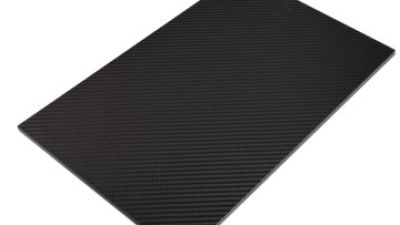
OEM 1K and 3K carbon fiber board sheets are engineered for buyers who need dependable performance, precise dimensions, and flexible customization. “1K” and “3K” refer to the number of filaments bundled in each tow: 1K fabric generally creates a finer, more uniform surface, while 3K fabric offers a distinctive woven appearance and a strong balance of stiffness, weight, and cost. Available in multiple thicknesses, surface finishes, and panel sizes, these sheets can be supplied with drilled holes, routed edges, countersinks, logos, or other production-ready features.
Carbon fiber boards are widely used in robotics, drones, laboratory equipment, automotive components, sporting goods, and industrial fixtures because they combine low density with high rigidity and corrosion resistance. Industry market assessments published in recent years project the global carbon fiber market to grow at approximately 8–9% annually through the end of the decade, driven by demand for lightweight structures in transportation, renewable energy, and advanced manufacturing. This trend is increasing interest in ready-to-install composite panels rather than raw laminate materials.
For OEM projects, custom solutions may include unidirectional or woven reinforcement, epoxy-based laminates, matte or gloss finishes, flame-retardant options, and controlled tolerances for repeat assembly. Buyers can also request small prototypes or larger production runs, with inspection documentation covering thickness, flatness, fiber orientation, and visual quality. Selecting the appropriate 1K or 3K construction helps match appearance, mechanical requirements, and budget without unnecessary material weight.
Carbon fiber cloth is woven from thin carbon filaments. It is light, strong, and resistant to fatigue, heat, and many chemicals.
No. Strength depends on fiber orientation, weave pattern, resin, layer design, and curing quality. Direction matters greatly.
It supports aircraft panels, racing components, wind turbine parts, sporting equipment, tooling, robotics, and industrial repairs.
Technicians place layers over a mold, wet them with epoxy, and cure the laminate under controlled pressure.
Poor resin mixing can create soft spots. Wrinkles, trapped air, weak bonding, and poor curing also reduce performance.
Check fabric weight, weave style, fiber alignment, roll width, moisture, technical data, and batch traceability. Request a sample roll.
Compare test data using the same standard. Include usable area, waste, packaging, delivery, and technical support in the cost.
Keep dry fabric sealed, away from moisture and dust. Track storage conditions and shelf life. Small oversights can matter.
Not always. A certificate helps, but workshop testing reveals drape, fuzz, resin wet-out, and cutting behavior.
No. Low prices may hide uneven weave, delivery delays, or rejected parts. I would inspect the cloth by hand first.
This guide explains what Carbon Fiber Cloth is, how its lightweight strength and resistance to corrosion make it valuable in industries such as automotive, aerospace, marine, sporting goods, construction, and renewable energy. It also outlines how to evaluate suppliers worldwide by examining fiber quality, weave consistency, fabric weight, resin compatibility, production capacity, certifications, delivery reliability, customization options, and technical support. These criteria form the foundation for selecting ten leading suppliers without relying solely on price or market visibility.
The article then presents supplier profiles based on manufacturing expertise, product range, quality control, innovation, and customer service, while comparing common fabric types such as unidirectional, plain weave, and twill weave materials. Finally, it offers practical guidance for matching a supplier to specific project requirements, including strength targets, dimensions, processing methods, budget, order volume, and after-sales assistance. The goal is to help buyers make a clear, informed, and application-focused decision.