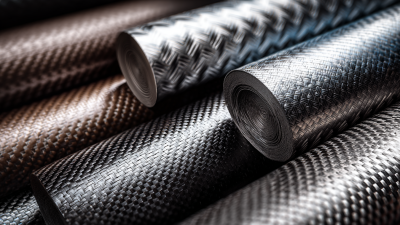
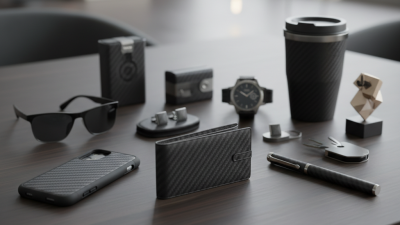
A carbon fiber keychain is a pretty neat little accessory made from carbon fiber, resin, and some supporting hardware. Usually, it features a woven carbon fiber panel paired with a metal ring, clasp, or maybe a protective edge. It feels super light in your hand but still offers just the right amount of stiffness and has that cool layered pattern that really stands out. That's probably why it’s popular among drivers, outdoor enthusiasts, or anyone who likes carrying sleek, technical everyday items. Little details actually matter here — a smooth edge helps prevent snagging in pockets, and a sturdy ring makes sure you don’t accidentally lose your keys.
If you’re thinking of grabbing one, take a little time to look beyond just the shiny surface. Good manufacturers will tell you what type of carbon fiber they use, what kind of hardware it’s made from, the finish, and the size. Honestly, just searching for 'carbon fiber keychain' can bring up products with vastly different build qualities. Some use real woven sheets, while others spray a printed pattern over plastic. Neither of those is necessarily bad, but it’s important that it’s clearly stated. Keep an eye out for a consistent weave pattern, clean edges, solid attachment points, and good corrosion resistance. Remember, a keychain isn't a safety tool—it’s not meant to hold heavy loads or replace gear for climbing, towing, or stuff like that.
On a day-to-day basis, a quick wipe with a soft cloth can keep dust and moisture at bay. Just be careful—avoid dropping it on hard surfaces or exposing it to harsh chemicals, as the finish can scratch pretty easily. And even though carbon fiber looks tough, its appearance doesn’t always mean it’s structurally invincible. The key to getting the most out of it is honest info from the seller and a little bit of routine care. When you do that, you end up with a lightweight, textured, and reliable little accessory that looks great and works well day in, day out.
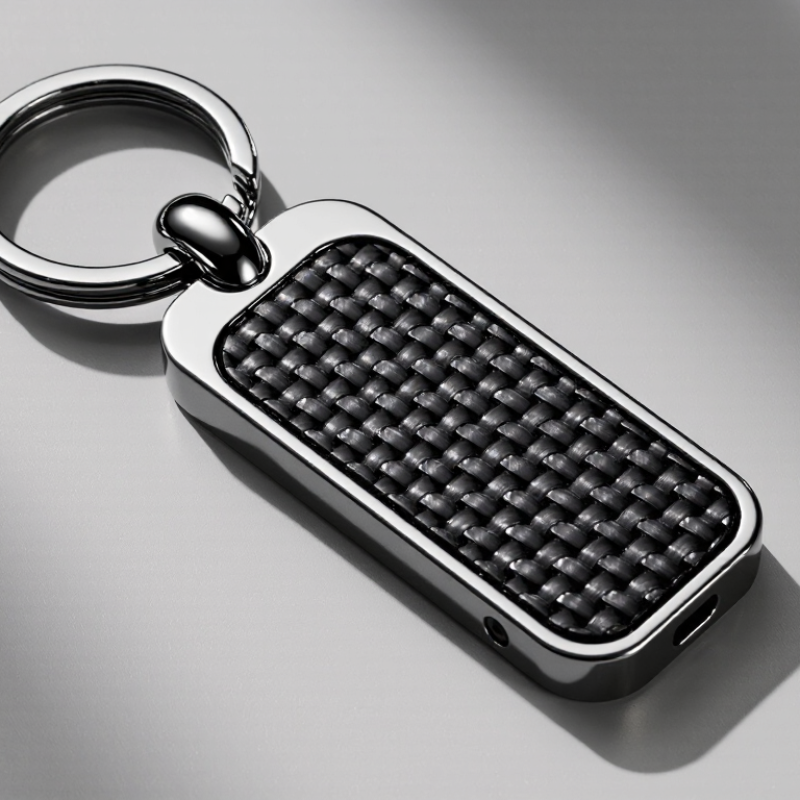
A carbon fiber keychain is a small accessory made from carbon-fiber fabric set in polymer resin. Carbon fibers provide high tensile strength at low weight, while resin fixes the weave into a rigid shape. Its basic purpose is practical: hold keys together, add a visible marker, and offer a compact grip. It is not a miniature structural component. The U.S. Department of Energy reports that reducing vehicle weight by 10% can improve fuel economy by 6–8%. This figure concerns vehicles, not keychains, but it explains the appeal of lightweight composites. In daily use, the benefit is modest. Still useful.
A typical piece feels smooth, cool, and slightly textured at the edges. A drilled hole, metal ring, and rounded corners support repeated pocket movement. A custom carbon fiber cat keychain may feature a cat silhouette, engraved detail, or colored resin. Its basic function remains unchanged. MarketsandMarkets estimated the global carbon-fiber market at about USD 4.7 billion in 2023. The report projected approximately USD 8.9 billion by 2028. That forecast reflects broad industrial applications, not keychain demand. Buyers should inspect fiber alignment, resin coverage, ring strength, and edge finishing. Gloss can hide weak drilling or uneven bonding. Carbon fiber is light, but it is not unbreakable. A hard drop may chip the resin. That distinction matters.
A carbon fiber keychain is more than a small decorative accessory. Its strength comes from a carefully layered structure. Thin carbon fibers are arranged in a woven pattern, then held together with epoxy resin. The fibers carry most of the load. The resin keeps them aligned and protects the surface.
A typical carbon fiber keychain uses twill weave, plain weave, or molded carbon fiber sheet. Twill weave creates diagonal lines and helps distribute stress around drilled holes. Plain weave looks flatter but can feel slightly less flexible. Some designs add aluminum, stainless steel, or polymer parts for the ring and connector. These materials improve attachment strength without making the body unnecessarily heavy. A custom carbon fiber keychain may also include rounded edges, sealed holes, and a matte or glossy finish. The appearance can mislead. Carbon fiber is strong, but sharp impacts can still cause cracks or hidden delamination.
Tips: Check the weave under bright light. Look for even resin coverage, smooth edges, and clean holes. Avoid designs with exposed fibers near the attachment point. A loose metal connector can damage the laminate over time. Small details matter.
Material quality is only part of the result. Proper curing, accurate cutting, and controlled bonding affect durability. I would not assume every black composite piece is genuine carbon fiber. Some surfaces imitate the pattern with printed film or coated plastic. That distinction deserves attention, especially when the keychain will face daily friction, keys, moisture, and accidental drops.
A carbon fiber keychain typically combines a carbon-fiber-reinforced polymer body with a resin matrix and metal hardware. The chart compares representative material densities commonly associated with this type of construction.
Carbon fiber composites are lightweight because their density is much lower than stainless steel hardware. Epoxy resin binds the fibers together, while stainless steel or aluminum may be used for rings, clips, and fasteners. Values are approximate typical material-property references.
A carbon fiber keychain begins with thin carbon fiber fabric, not solid metal. Manufacturers cut the fabric into small, measured patterns. These layers are placed in a mold with careful alignment. The direction of each layer affects strength and appearance. Resin is then added to bind the fibers together. Some factories use compression molding, while others use vacuum pressure or heat curing. Temperature and pressure must remain stable during this stage. Small changes can create bubbles, weak spots, or uneven surfaces.
After curing, the hardened panel is removed and trimmed. CNC equipment cuts the keychain shape with clean edges. Holes are drilled for the ring or connector. Workers may sand the edges by hand because machines cannot inspect every detail. A clear coating can protect the surface and highlight the woven pattern. Quality checks usually include visual inspection, edge testing, and hardware fitting. A tiny edge mark may remain. Perfect consistency is difficult, and that deserves honest attention.
Tips: Check the weave before buying. It should look even, without cloudy resin pockets. Inspect the edges for sharp fibers. A secure metal ring also matters. Lightweight does not always mean fragile, but poor curing can reduce durability. Ask about the material and finishing process when specifications are unclear.
What Is a Carbon Fiber Keychain?
Key Features and Functional Benefits
A carbon fiber keychain combines a rigid composite body with a compact everyday form. The U.S. Department of Energy reports that carbon fiber can provide about five times steel’s strength at roughly one-quarter the weight. That strength-to-weight ratio matters in a pocket. A custom lightweight carbon fiber keychain can feel nearly effortless while resisting bending from keys, clips, and regular handling.
Carbon fiber also resists rust, which helps in humid pockets, rainy commutes, and outdoor use. Its woven surface creates a technical appearance, while the resin protects the fibers and gives the piece a smooth finish. The material remains stiff under load. It does not behave like soft aluminum. That difference can make attachment points feel more secure. Small details matter. A rounded edge reduces pocket snagging. A properly sized ring prevents awkward bulk.
However, carbon fiber is not indestructible. A sharp impact can crack the resin or damage an exposed edge. The U.S. Department of Energy’s lightweight-materials assessments also emphasize that performance depends on the complete composite design, not fibers alone. Hardware quality matters too. I would not judge a keychain by appearance only. Check the ring, fastener, hole alignment, and surface finish. Some carbon fiber parts can also abrade nearby metal over time. That is easy to overlook.
| Data Dimension | Typical Information | Functional Benefit | Practical Consideration |
|---|---|---|---|
| Basic Definition | A compact key holder made with carbon-fiber-reinforced polymer or a carbon-fiber composite component. | Provides a lightweight structure with a distinctive technical appearance. | Construction varies; some products use carbon fiber only for the outer plate or decorative surface. |
| Typical Weight | Approximately 10–35 g for a compact keychain body, excluding keys. | Reduces pocket and bag load compared with many solid-metal key organizers. | Actual weight depends on the number of key slots, hardware, screws, and attached accessories. |
| Material Composition | Continuous or woven carbon fibers embedded in a polymer resin matrix; metal hardware is commonly used for fasteners or rings. | Combines the stiffness of carbon fibers with the shape-forming ability of resin. | The resin matrix can be affected by excessive heat, impact, or prolonged ultraviolet exposure. |
| Strength-to-Weight Ratio | Carbon-fiber composites generally provide high stiffness and strength relative to their mass. | Supports a slim, rigid design without requiring a heavy solid-metal body. | Performance depends on fiber orientation, laminate design, thickness, and manufacturing quality. |
| Rigidity | High in the fiber direction; lower across directions that are not reinforced. | Helps the keychain resist bending during normal pocket or bag use. | Carbon fiber is stiff rather than highly ductile, so severe impacts may cause cracking or delamination. |
| Corrosion Resistance | The carbon-fiber composite itself does not rust like untreated steel. | Suitable for everyday exposure to ordinary moisture and humid environments. | Metal rings, screws, and clips may still corrode unless they use a corrosion-resistant material or finish. |
| Water Resistance | Most solid composite surfaces do not absorb water easily. | Helps the keychain remain functional during light rain or accidental splashes. | Water can enter seams, screw holes, or moving hardware; water resistance is not the same as waterproofing. |
| Electrical Conductivity | Carbon fibers can conduct electricity, while the surrounding resin is generally insulating. | May help reduce static buildup compared with fully insulating plastics in some designs. | Do not treat a carbon-fiber keychain as an electrical safety device or grounding component. |
| Key Capacity | Common compact organizers hold approximately 2–8 standard keys. | Can reduce key movement, rattling, and the amount of exposed key edges. | Large keys, car fobs, unusual key shapes, and thick accessories may reduce usable capacity. |
| Noise Reduction | Keys can be stacked or secured instead of freely swinging from a traditional ring. | Helps minimize jingling sounds in pockets, bags, or at workspaces. | Noise reduction depends on the organizer mechanism and how tightly the keys are secured. |
| Surface Appearance | Often shows a woven or linear fiber pattern with a matte, satin, or glossy finish. | Offers a recognizable technical style while maintaining a slim profile. | Glossy coatings may show fingerprints and fine scratches more readily than textured finishes. |
| Temperature Behavior | Carbon fiber itself tolerates heat well, but the polymer resin has a lower service limit than the fiber. | Performs reliably in normal everyday temperature conditions. | Avoid prolonged exposure to high heat, open flames, hot vehicle interiors, or direct industrial heat sources. |
| Maintenance | Usually requires only a soft cloth, mild soap, and water for routine cleaning. | Low-maintenance surface care helps preserve the finish and fiber pattern. | Avoid abrasive cleaners, hard brushes, and aggressive solvents that may damage the resin or coating. |
| Impact Performance | Resists minor everyday knocks, but a hard localized impact can damage a composite laminate. | Suitable for ordinary carrying when handled properly. | Inspect for cracks, sharp edges, loose fasteners, or visible layer separation after a major impact. |
| Typical Use Cases | House keys, office keys, small access keys, travel use, and compact everyday-carry setups. | Keeps essential keys organized while maintaining low bulk and weight. | Oversized keys, heavy tools, and large electronic fobs may be better carried separately. |
Common Designs, Components, and Everyday Uses
A carbon fiber keychain combines woven carbon fiber, resin, and metal hardware. Carbon fiber provides a stiff, lightweight body with a distinctive diagonal pattern. Grand View Research reported that the global carbon fiber market reached approximately USD 3.7 billion in 2022. That growth reflects wider use in transportation, sports equipment, and premium accessories. A keychain is much smaller, but it uses similar material principles.
Common designs include flat rectangles, rounded tags, and the carbon fiber teardrop keychain. The teardrop shape feels smooth in a pocket and reduces sharp corners. Most models include a metal eyelet, split ring, and sometimes small screws. These parts matter. A strong fiber plate cannot prevent failure if the ring bends or the eyelet loosens. In daily use, people attach key sets, access fobs, luggage tags, or small tools. Carbon fiber also resists many everyday impacts, although surface scratches and resin wear remain possible. It is not indestructible.
Tips: Check the ring first. Choose smooth edges. Keep it away from loose abrasive objects. The U.S. Department of Energy has noted that carbon-fiber composites can support significant vehicle weight reduction, but that does not guarantee superior performance in every keychain. Material quality, resin bonding, and hardware design still need inspection. I may overstate its toughness if I judge only by appearance; a practical test is better.
What Is a Carbon Fiber Keychain?
A carbon fiber keychain combines woven carbon fibers with a protective resin. It feels light, rigid, and distinctively textured in the hand. Many people choose it for daily carry because it resists ordinary scuffs better than softer plastics. Still, carbon fiber is not indestructible. Its surface may look fine while hidden cracks develop underneath.
Care, Maintenance, and Safety Considerations
Wipe the keychain with a soft, slightly damp cloth after dusty or oily use. Dry it fully before placing it in a pocket or bag. Mild soap is usually enough for stubborn marks. Avoid abrasive powders, rough brushes, and strong solvents. These can dull the resin or weaken its finish. I used to assume a glossy surface needed polishing, but unnecessary polishing often creates more problems.
Inspect the attachment ring regularly. Look for loosened fittings, sharp edges, splinter-like damage, or a cloudy line near the hardware. Replace damaged parts promptly. Do not use the keychain for climbing, lifting, securing pets, or supporting heavy objects. It is an accessory, not certified safety equipment. Keep it away from open flames, extreme heat, and prolonged sunlight. Carbon fiber can conduct electricity, especially when exposed or damaged, so avoid contact with live electrical sources. Small parts also require care around young children. A quick inspection takes seconds. That habit is easy to forget.
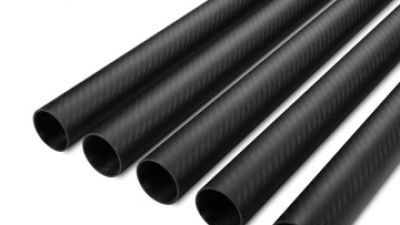
The global carbon fiber market is entering a period of sustained expansion as lightweight materials gain wider use in transportation, renewable energy, industrial equipment, and advanced construction. According to Grand View Research’s 2024 Carbon Fiber Market Report, the market was valued at approximately USD 3.7 billion in 2023 and is projected to grow at a compound annual growth rate of more than 11% from 2024 to 2030. This trend reflects increasing demand for high-strength, corrosion-resistant, and weight-saving components. 100% shaped carbon fiber square and octagon tubes are designed for applications requiring reliable structural performance, precise geometry, and a premium strength-to-weight ratio.
Square tubes provide stable flat surfaces for assembly and connection, while octagon tubes offer additional geometric flexibility for specialized frames, supports, robotics, sporting equipment, and lightweight engineering structures. Custom shaping can support efficient load distribution and simplify integration into different designs. Products are available with a minimum order quantity of 10 pieces, making them suitable for both prototype development and small-batch production. Payment options include T/T, PayPal, and Western Union, with EXW terms available. Delivery is estimated at 10–15 working days, and transportation can be arranged by ocean, land, or air through Shenzheng Port.
It is a small accessory made from carbon-fiber fabric and polymer resin. It holds keys, adds a visible marker, and provides a compact grip. It is not a structural component.
Carbon fiber offers high strength at low weight. A typical piece feels light in a pocket. The practical difference is modest, but noticeable.
It often has a woven diagonal pattern, smooth surface, rounded corners, and a metal ring. Shapes may include rectangles, tags, and teardrops. Some include engraved details or colored resin.
Carbon fiber does not rust like ordinary steel. It can suit humid pockets, rainy commutes, and outdoor use. However, the metal ring may still corrode if poorly finished.
It resists bending during normal handling. A sharp drop can chip the resin or crack an exposed edge. Carbon fiber is light, not unbreakable.
Check the ring, eyelet, fastener, drilled hole, and edge finishing. Look for complete resin coverage and even bonding. Gloss can hide weak drilling.
Some edges or exposed fibers may rub against nearby metal. Keep the keychain away from loose abrasive objects. Smooth edges help reduce pocket snagging.
It can hold keys, access fobs, luggage tags, or small tools. A properly sized ring prevents awkward bulk. I would test the hardware, not trust appearance alone.
A Carbon Fiber Keychain is a compact accessory designed to organize and carry keys while offering a balance of strength, light weight, and modern appearance. It is commonly made from carbon fiber fabric or reinforced carbon fiber composite, bonded with a resin that helps form a rigid and durable structure. During manufacturing, the material is shaped, layered, pressed, and cured before being trimmed and finished with components such as rings, clips, screws, or protective covers.
Its main benefits include resistance to everyday wear, a comfortable lightweight feel, and a distinctive woven or smooth surface. Carbon Fiber Keychain designs may range from simple rings to compact organizers used with keys, access cards, or small everyday items. To maintain its condition, users should keep it clean and dry, avoid harsh chemicals, and check connecting parts regularly for looseness or damage. Although carbon fiber is strong, sharp impacts or excessive bending may still cause cracks, so damaged components should be replaced promptly for safe and reliable use.