inquiry
65337e7cc4b2e10867

Leave Your Message

Blog

What Are the Best Color Carbon Fiber Sheets in 2026?

What Are the Best Color Carbon Fiber Sheets in 2026?

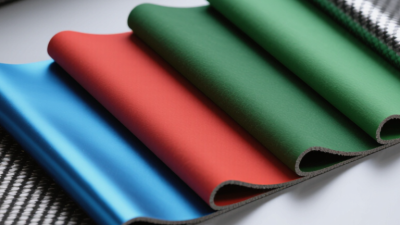
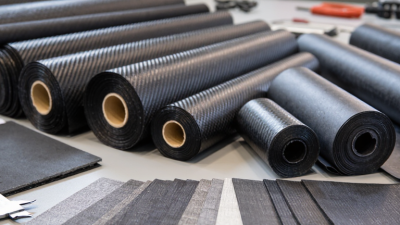
Picking the best color carbon fiber sheets in 2026? It’s not just about comparing pretty shades. A glossy surface can mask weak resin bonding, uneven pigment, or sloppy dimensional control. A sheet you can trust should have consistent color, clean weave alignment, stable thickness, and actual mechanical data on paper. It also needs to fit the load, temperature, and finishing process you have in mind. Materials engineer Daniel Reed from Advanced Composite Materials Lab has a useful reality check: “The strongest colored laminate is useless if its surface finish compromises inspection, bonding, or long-term stability.” That keeps looks in check. Carbon fiber performance still comes down to fiber orientation, resin quality, curing accuracy, and handling. Decorative color should support the engineering, not replace it. This guide compares popular options across visual quality, stiffness, durability, process compatibility, and supplier transparency. We look at matte black, metallic blue, red, green, and custom-tinted surfaces. Some products look great under showroom lighting. Then outdoors? They can disappoint. UV exposure, heat cycling, and repeated cleaning may show fading or microcracking. Small details matter. We also look at how sheets work with matching parts, including color carbon fiber tubes. The best choice isn’t always the priciest panel. Sometimes it’s the batch with clearer test records and tighter tolerances. That part isn’t always obvious. Our comparison uses practical selection criteria, but it has limits. Supplier data can vary, and real-world installation still affects results. So check current specs before you order.
Read more »
Evelyn By:Evelyn - October 9, 2026
What Is a Carbon Fiber Keychain?

What Is a Carbon Fiber Keychain?

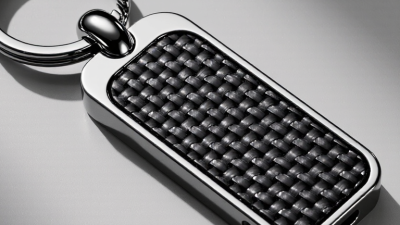
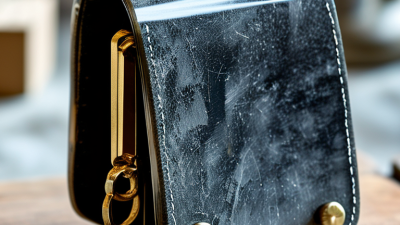
A carbon fiber keychain is a pretty neat little accessory made from carbon fiber, resin, and some supporting hardware. Usually, it features a woven carbon fiber panel paired with a metal ring, clasp, or maybe a protective edge. It feels super light in your hand but still offers just the right amount of stiffness and has that cool layered pattern that really stands out. That's probably why it’s popular among drivers, outdoor enthusiasts, or anyone who likes carrying sleek, technical everyday items. Little details actually matter here — a smooth edge helps prevent snagging in pockets, and a sturdy ring makes sure you don’t accidentally lose your keys. If you’re thinking of grabbing one, take a little time to look beyond just the shiny surface. Good manufacturers will tell you what type of carbon fiber they use, what kind of hardware it’s made from, the finish, and the size. Honestly, just searching for 'carbon fiber keychain' can bring up products with vastly different build qualities. Some use real woven sheets, while others spray a printed pattern over plastic. Neither of those is necessarily bad, but it’s important that it’s clearly stated. Keep an eye out for a consistent weave pattern, clean edges, solid attachment points, and good corrosion resistance. Remember, a keychain isn't a safety tool—it’s not meant to hold heavy loads or replace gear for climbing, towing, or stuff like that. On a day-to-day basis, a quick wipe with a soft cloth can keep dust and moisture at bay. Just be careful—avoid dropping it on hard surfaces or exposing it to harsh chemicals, as the finish can scratch pretty easily. And even though carbon fiber looks tough, its appearance doesn’t always mean it’s structurally invincible. The key to getting the most out of it is honest info from the seller and a little bit of routine care. When you do that, you end up with a lightweight, textured, and reliable little accessory that looks great and works well day in, day out.
Read more »
Evelyn By:Evelyn - October 4, 2026
How to Choose Carbon Fiber Panels in 2026?

How to Choose Carbon Fiber Panels in 2026?

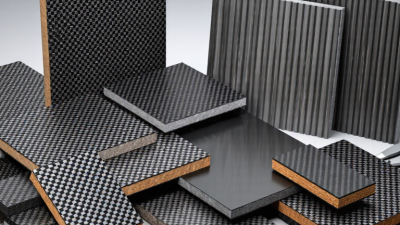
Picking out a carbon fiber panel in 2026 really starts with a simple, yet crucial question: what do you actually need the panel to do? Because, honestly, a lightweight decorative cover has totally different requirements compared to a structural part that's got to handle vibrations, heat, or repeated stress. Sure, appearance is important—no one wants a dull-looking piece—but it’s not the whole story. A shiny finish can hide a lot, like how the fibers are oriented, the core construction, or the quality of the resin. So, it’s a good idea to look at what you’re planning to use the panel for—check the size, thickness, and any published performance specs. And don’t just assume those specs are for the finished product; sometimes they only refer to raw materials. That little difference can make a big impact. Make sure the fiber directions and layup match the stresses your design will face, and double-check that mounting holes, edges, and fasteners won’t create weak spots. If you're working on something critical or demanding, it’s smart to get advice from an engineer and ask for test data you can trace. Even a sample panel is useful—it can tell you about the surface feel, color variations, and how it machines—but keep in mind, testing is still the gold standard. And let’s be real: things like weight, stiffness, finish, temperature tolerance, and budget don’t always line up perfectly. A slimmer panel might save weight but could flex more—yeah, it’s true sometimes! Make sure to verify that it plays nice with the adhesives, coatings, and other materials you’re using before you go all in. If a supplier isn’t clear with their specs, that’s a red flag—don’t just accept it, ask more questions. Choosing the right panel is all about balancing these trade-offs. Even the most careful buyers can miss a detail now and then. This guide is here to help you compare construction styles, validate claims, and pick a panel that actually suits the real conditions it’ll face—that way you’re not left surprised down the line.
Read more »
Olivia By:Olivia - September 30, 2026
Why Choose a Carbon Fiber Gift for Business Buyers?

Why Choose a Carbon Fiber Gift for Business Buyers?

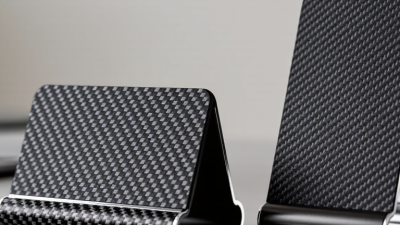
A carbon fiber gift can definitely say a lot about modern style and precision, but if you’re shopping for business folks, don’t just take its sleek look at face value. The real key is thinking about who’s going to receive it, what they do daily, and whether the item’s finish and material bring some practical benefit along with its cool appearance. For instance, a carbon fiber cardholder should have smooth edges—no rough spots—that feel nice in the hand. And a desk accessory needs to sit steady without scratching easily or showing signs of wear too soon. Those little details can really make a difference. Dr. Frank K. Ko, a researcher who specializes in composite materials, reminds us that how well a material performs depends a lot on how the fibers and resins are combined. Of course, I’m paraphrasing here, not quoting him directly. But it’s a good takeaway: when you’re looking at a carbon fiber product, ask questions about how it’s made, how to take care of it, and whether it’s been quality-checked. Not every carbon fiber piece is built to last equally, and just reading the label doesn’t tell the whole story. The bottom line—make your gift count. Think about what makes it memorable and useful at the same time. A well-chosen carbon fiber gift can blend great design with everyday practicality — perfect for celebrating a client milestone or welcoming a new business partner. But, here’s the caveat: a flashy finish might wow at first glance, but if the shape feels awkward or uncomfortable, it might end up sitting untouched on a desk. So, choose wisely and don’t just go for the flash!
Read more »
Evelyn By:Evelyn - September 26, 2026
10 Best Carbon Fiber Cloth Suppliers Worldwide?

10 Best Carbon Fiber Cloth Suppliers Worldwide?

You know, Carbon Fiber Cloth has really become a go-to choice for reinforcing all kinds of stuff—think aerospace panels, car parts, sports gear, marine structures, and even industrial repairs. It’s pretty clear why—high tensile strength but super lightweight, resistant to corrosion, and offers tons of design flexibility. But here’s the thing: how well the fabric performs isn’t just about the fiber strength alone. Industry reports back this up too. For example, Grand View Research points out that aerospace, automotive, and wind energy are the main sectors using carbon fiber these days. MarketsandMarkets also sees the market growing steadily, mainly because lightweight transportation and renewable energy gear are booming right now. But it’s worth noting—they talk about the whole material market, not every little detail about individual cloth specs. That kind of stuff really matters, especially if you’re hunting for the perfect fit. So, in this guide, we’ll walk through the 10 best carbon fiber cloth suppliers around the world, based on both technical specs and what makes sense commercially. We looked at things like fiber grade, weave patterns, weight per area, resin compatibility, width options, quality control, delivery speed, and tech support. Big names like Toray, Hexcel, Teijin, SGL Carbon, Mitsubishi Chemical Group, plus some niche manufacturers—each has their own strengths depending on what you need. But here’s the thing: not every supplier is the right fit for every project. If you’re in aerospace, chances are you’ll care a lot about traceability and certifications. If you’re building prototypes, you might want smaller minimum orders and faster turnaround on samples. And if you’re doing repairs, clear handling instructions, stable drape, and compatible epoxy systems are usually what you need—oh, and colored carbon fiber cloth is a nice option for visible designs, but seriously, never let appearance replace proper structural testing. Keep in mind, supplier info isn’t set in stone; details like product names, capacities, and regional availability can change over time. So, think of this list as a helpful starting point—definitely do your due diligence with independent tests, check datasheets, and chat directly with suppliers before making any big moves. That way, you’ll be on the right track for whatever project you’re tackling.
Read more »
Sophia By:Sophia - September 23, 2026
Top 10 3K Composite Plate Types for Global Buyers

Top 10 3K Composite Plate Types for Global Buyers

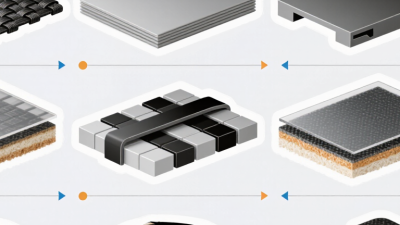
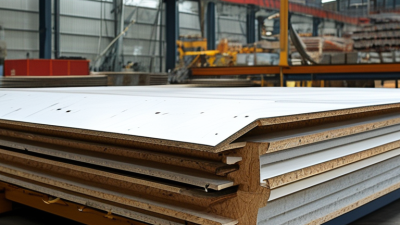
Choosing the right 3K composite plate isn’t just about picking something that looks good—things like weight, stiffness, appearance, and how well it performs over time all matter. When most buyers are shopping around, they often compare different types like woven carbon fiber plates, prepreg options, epoxy laminates, hybrids, sandwich structures, machined parts, coated varieties, perforated, curved, or custom-cut plates. Each one serves a specific engineering purpose, so it’s not a one-size-fits-all deal. This guide runs through ten practical options that international purchasing teams usually consider. We talk about fiber orientations, how consistent the resin is, the thickness tolerances, surface finish quality, edge detailing, and overall dimensional stability. Plus, it covers common requirements like ASTM or ISO testing standards, material traceability, inspection reports, how the packaging is handled, and export docs. A trustworthy supplier should be able to clearly explain their manufacturing process, and they’ll back up their claims with product samples and technical data. Details really do matter. Just because a plate has a shiny, sleek surface doesn’t automatically mean it’s stronger. On the flip side, a lower price quote might hide weaker tolerances, limited testing, or less-than-ideal packaging. Before placing an order, it’s smart to double-check load conditions, exposure to heat, moisture risks, cutting precision, and how much product you’re planning to make. No single ranking or recommendation can cover every scenario—say, a racing part might need a different kind of composite plate than a robotic component, a medical enclosure, or an industrial fixture. So, this article offers useful comparisons rather than a one-size-fits-all answer. Keep in mind, some suggestions might need tweaking after testing—that’s totally normal. Bottom line: careful evaluation, clear communication, and independent inspections can save you from expensive surprises when dealing across borders. The goal is to help you make smarter buying decisions, supported by solid engineering evidence and realistic supplier checks.
Read more »
Sophia By:Sophia - September 18, 2026
Why Choose Composite Plate for Global Sourcing?

Why Choose Composite Plate for Global Sourcing?

When it comes to global sourcing, people often jump to price as the main factor. But honestly, what’s *behind* that price really matters more than the number itself. Take Composite Plate, for example. It strikes a pretty good balance between strength, lightweight design, resistance to corrosion, and flexibility. All of these qualities are a huge plus for tough jobs in construction, transport, energy, and industrial equipment. That said, don’t just rely on glossy brochures—material choice isn’t something you can figure out from marketing alone. Savvy buyers usually dig deeper—they look at fiber types, resin systems, thickness, surface finishes, and how well it performs under different temperatures. They also review production records, inspection methods, and traceability docs. A supplier worth trusting should be transparent, providing solid technical data and consistent quality across batches. And if you really want to get the full picture, a factory visit can reveal things that samples don’t show—like the edges, drilling results, packaging, and labels. Of course, saving a buck is nice, but remember—doing so on materials can sometimes backfire. Things like freight costs, shipping times, customs hurdles, and the risk of having to replace parts can all turn a cheap deal into an unexpected expense. So, while Composite Plate may not be perfect for every project, it definitely depends on proper engineering, careful installation, and making sure the environment is suitable. Honestly, that last point often doesn’t get enough attention. And let’s not forget that reliable sourcing comes down to good communication. Buyers should double-check drawings, tolerances, testing standards, and acceptance criteria before starting production. When it’s a critical application, independent testing can give an extra layer of confidence. It’s also smart when suppliers, like Fiberglass Solutions or Advanced Composite Materials, openly discuss their limits—not just the perks. That transparency builds trust. At the end of the day, the best sourcing approach combines technical know-how with real-world experience. It means asking tough questions upfront and leaving room to adjust if needed. By looking at performance, compliance, service quality, and overall total costs, companies can confidently choose Composite Plate—fewer surprises, smoother international supply chains, and peace of mind included.
Read more »
Olivia By:Olivia - September 12, 2026
2026 Top Carbon Fiber Gift Ideas for Global Buyers

2026 Top Carbon Fiber Gift Ideas for Global Buyers

Choosing a Carbon Fiber Gift in 2026 isn’t just about picking something with a sleek, shiny surface. Today’s buyers worldwide are looking at much more—quality of the material, how practical it is, options for personalization, packaging, and whether it’s sourced responsibly. Sure, a shiny wallet might catch someone's eye, but the real value often comes down to details like the finish on the edges and whether the fibers are authentic. Dr. Nikhil Gupta, a well-known expert in composite materials at NYU, once said, “Composite performance depends on material selection, design, and manufacturing quality.” And honestly, that’s just as true for gifts. Carbon fiber should feel meaningful, not just decorative. Whether it’s a handy key organizer, a sleek travel case, a stylish watch accessory, or a desk item, it should be lightweight yet have that cool, technical vibe. Plus, it needs to stand up to everyday use without falling apart. In this guide, I’m sharing some ideas for carbon fiber gifts in 2026 aimed at corporate clients, distributors, and everyday shoppers around the world. We’ll look at the feel of the material, the clarity of the resin, how strong the hardware is, options for personal touches, and how the gift is presented. Sometimes, a product might look super impressive in photos but ends up feeling pretty ordinary when you hold it. That really does matter. For serious buyers, it’s a must to ask for clear specs, samples, and honest info about the actual carbon fiber used. Does the product feature real woven carbon fiber, a laminate, or just a printed imitation? Certification requirements can vary depending on where you’re shipping, what type of product it is, and the intended use. Never assume that a “carbon fiber” label means the same thing across the board. Keep in mind, the most expensive option isn’t always the best. Sometimes, the simplest item with solid construction, a practical function, and consistent quality wins out. And, yeah, even experienced buyers can make mistakes—things like damaged packaging, color inconsistencies, or overly optimistic delivery promises. This article is here to help buyers worldwide keep an eye on those details so they can make a thoughtful, well-informed choice.
Read more »
Olivia By:Olivia - September 9, 2026
What Is a Carbon Fiber Boom and Why Use It?

What Is a Carbon Fiber Boom and Why Use It?

A carbon fiber boom isn’t just some lightweight tube attached to your sail — it’s a carefully designed spar that plays a huge role in controlling your sail shape, handling loads, and adjusting to changing conditions out on the water. When you compare it to aluminum, carbon fiber offers a pretty impressive stiffness-to-weight ratio. You really start noticing the difference when you’re lifting the boom, powering out of a tack, or handling a big sail in stronger winds. It feels more responsive and connected. James Hall, a composite spar engineer from Hall Spars, hits the nail on the head when he says, “Good composite design isn’t just about weight — it’s about managing loads all along the spar.” That’s a real-world truth. A carbon fiber boom needs to work as a complete system — everything from the laminate and fittings to the gooseneck, vang attachment, and internal reinforcements has to cooperate seamlessly. One weak link can lessen the value of all that expensive material. Manufacturers like Hall Spars and Southern Spars pay close attention to fiber orientation, resin choices, and curing techniques to balance stiffness with just enough flexibility. A well-made carbon fiber boom can actually reduce crew fatigue, keep your sail profile cleaner, and even make your boat more responsive during maneuvers. But, let’s be real — carbon isn’t some magic answer. Not even close. Damage from impacts can hide under that shiny surface, and if you don’t store or inspect your gear properly, problems can creep up over time. It’s all about the design, installation, maintenance, and honest records of inspections. And here’s where things get a little tricky. A lighter boom might feel faster and more nimble, but the lightest isn’t always the safest or the best fit for your boat. The right choice really depends on your boat size, how you sail, expected loads, your budget, and a good professional’s opinion. So, in the end, selecting the right boom is about finding that sweet spot — it’s not just about saving weight, but making sure it’s built to last and suits your style of sailing.
Read more »
Sophia By:Sophia - September 6, 2026
Top 10 Uses of Carbon Fiber Rod for Global Buyers?

Top 10 Uses of Carbon Fiber Rod for Global Buyers?

You know, the versatility of carbon fiber rods has really caught the attention of lots of industries lately. I came across a recent report from Research and Markets that predicts the global carbon fiber market could hit about $5.9 billion by 2027, growing at an annual rate of around 9.1%. That just goes to show how crucial these little guys—especially the rods—have become in sectors like aerospace, auto, and even sports gear. A lot of companies are loving carbon fiber rods because they’re super lightweight but also incredibly strong. Like, in aerospace, big names like Boeing actually use these rods for critical structural parts. They make planes lighter and more fuel-efficient, which is a double win. Of course, it’s not all smooth sailing—things like high production costs and recycling challenges are still hurdles we’ve gotta figure out. In construction and sports gear, carbon fiber rods are really changing the game. They’re durable, resistant to corrosion—basically, built to last. You see them in fishing rods, bike frames, and other equipment for better performance. Still, we shouldn’t ignore the environmental impact or the expenses involved in making these materials—that’s something the industry really needs to handle if it wants to keep growing. All in all, as demand keeps climbing, there’s a lot to consider if we want to harness the full potential of these amazing rods.
Read more »
Evelyn By:Evelyn - August 30, 2026
Top 10 Benefits of Carbon Fiber Tubes for Global Buyers?

Top 10 Benefits of Carbon Fiber Tubes for Global Buyers?

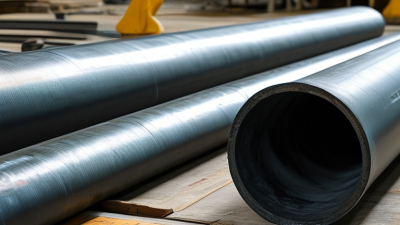
In the fast-changing world of materials, the whole carbon fiber tube industry really catches the eye. I mean, experts like Dr. Emily Thompson from Advanced Materials Inc. often point out that, 'The versatility of carbon fiber tubes is genuinely groundbreaking.' And honestly, she's onto something—these tubes are making a pretty big impact across quite a few sectors. They’re incredibly strong but super light, which is why you see them used from aerospace to car manufacturing and beyond. Now, if we talk about the perks, there’s quite a lot to get excited about. These tubes don’t rust and can handle fatigue pretty well, so they last a long time and stay durable over the years. Their high stiffness compared to their weight really boosts performance—think sports gear or high-tech manufacturing. But here’s the catch: finding high-quality carbon fiber oval tubes isn’t always a walk in the park. Not every supplier can deliver on those standards, which means buyers need to be careful — know where the materials are coming from and how they’re processed. Of course, it’s not all sunshine and rainbows. The price tag on carbon fiber tubes can be pretty steep, which might put them out of reach for some companies. Plus, investing in top-notch quality isn’t just a casual expense — it needs some serious financial planning. And let’s not forget about the environmental side of things; the production process isn’t exactly eco-friendly, so as the industry grows, folks are considering more sustainable options. Being aware of these issues definitely helps in making smarter decisions, especially for those buying from all over the world.
Read more »
Sophia By:Sophia - August 25, 2026
Best Carbon Fiber Plate for Global Buyers in 2026?

Best Carbon Fiber Plate for Global Buyers in 2026?

So, it looks like the global market for carbon fiber plates is set to grow quite a bit by 2026. I came across this recent report from MarketsandMarkets, and it mentioned that the carbon fiber composites market might hit around $30 billion in just a few years. Most of this growth seems to come from the automotive and aerospace industries, which are really starting to recognize how important these lightweight yet super strong plates are becoming for their tech. Experts say that one of the coolest things about carbon fiber plates is their performance — they’re incredibly stiff for their weight, and they can handle a lot of wear and tear without breaking down. That makes them perfect for so many uses. But, of course, it’s not all smooth sailing. The industry still faces some hurdles, like the pretty high costs to produce these materials and the ongoing challenge of finding good ways to recycle them. If companies want to really capitalize on this, they’ll need to tackle these issues head-on. Brands like Toray Industries and Hexcel Corporation are really pushing the envelope with new innovations, which is awesome to see. Their advancements help move the whole industry forward, but it’s clear that research and development will keep playing a crucial role — especially since competition is heating up. In the end, balancing performance with sustainability will probably be the key to shaping the future of carbon fiber plates — and honestly, it’s an exciting space to watch unfold.
Read more »
Evelyn By:Evelyn - August 21, 2026